
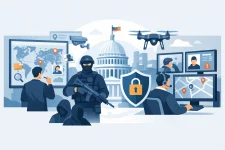
International travel offers enriching experiences, but as Americans, we must navigate a world where terrorist threats persist. Groups like ISIS affiliates, al-Qaeda, and Iran-linked proxies continue to target Western interests, often focusing on “soft targets” such as tourist sites, transportation hubs, markets, hotels, and events. While the overall risk to any individual traveler remains low, vigilance and preparation are essential—especially with recent global alerts.
Understand the Current Threat Landscape (as of 2026)
The U.S. Department of State issued a Worldwide Caution in March 2026, urging increased vigilance everywhere, with heightened concern in the Middle East. Iran-backed groups may target U.S. interests, diplomatic facilities, or Americans abroad in retaliation for ongoing conflicts. Terrorists often strike with little or no warning in crowded public spaces.
Terrorism remains concentrated in specific regions:
- Sahel region (Burkina Faso, Mali, Niger) and parts of sub-Saharan Africa: High activity from groups like JNIM and ISIS affiliates.
- Middle East (Iran, Iraq, Lebanon, Syria, Yemen): Elevated risks from state-linked actors and militants.
- South Asia (Pakistan, Afghanistan): Significant incidents.
- Other hotspots: Somalia, Libya, parts of Russia, North Korea, Haiti, and more.
The State Department maintains a Level 4: Do Not Travel list for about 18 countries due to terrorism, crime, unrest, kidnapping, and other risks. Popular destinations in Europe, Asia, and Latin America are often at Level 1 or 2 but still carry general threats.
Core Principles for Safe Travel
- Research and Heed Official Advisories Before booking, check the U.S. State Department Travel Advisories for your destination. Levels range from:
- Level 1: Normal precautions.
- Level 2: Increased caution.
- Level 3: Reconsider travel.
- Level 4: Do not travel. Review specific risks (terrorism “T”, crime “C”, unrest “U”, etc.). Re-check closer to departure, as situations evolve quickly.
- Enroll in the Smart Traveler Enrollment Program (STEP) Register your trip at step.state.gov. This allows U.S. embassies to contact you with alerts, locate you in emergencies, and provide assistance. It’s free and highly recommended.
- Plan with Security in Mind
- Avoid high-risk areas: Steer clear of Level 4 countries and conflict zones. In safer places, skip border regions or known hotspots.
- Buy comprehensive travel insurance: Ensure it covers medical evacuation, trip cancellation, and terrorism-related disruptions.
- Share your itinerary: Let trusted contacts know your plans, and use apps for real-time location sharing.
- Prepare documents: Carry digital and physical copies of your passport, visas, and emergency contacts. Consider a second passport or extra ID if needed.
On-the-Ground Best Practices
Situational Awareness is your strongest defense:
- Stay alert in crowds, tourist sites, transportation (airports, trains, subways), markets, hotels, and events—these are common targets.
- Trust your instincts: If something feels off (unattended bags, agitated individuals), leave the area.
- Avoid predictable routines. Vary your schedule and routes.
- Monitor local news and embassy alerts via apps or radio.
- Blend in: Dress conservatively, avoid flashy American-branded clothing or overt displays of wealth/U.S. symbols in sensitive areas.
- Transportation: Use reputable services; avoid unofficial taxis or hitchhiking. In some regions, consider private drivers or rideshares with good reviews.
In Case of an Incident:
- Evacuate the area quickly if safe; seek shelter otherwise.
- Follow instructions from local authorities or U.S. embassy.
- Have emergency apps (e.g., Red Cross, embassy apps) and know local equivalents of 911.
- For medical or security help abroad, contact the nearest U.S. embassy/consulate.
Balancing Risk and Reward
Terrorism is a real but statistically rare threat for tourists compared to everyday risks like traffic accidents or petty crime. Millions of Americans travel internationally each year without issue. Focus on high-value, lower-risk destinations (e.g., much of Europe, Japan, Australia, parts of Southeast Asia at Level 1-2). Domestic travel or “staycations” in the U.S. remain viable alternatives during heightened alerts.
Key Mindset: Informed caution, not fear. Preparation empowers you to enjoy travel responsibly. The world is vast and wonderful—approach it with eyes open, tools in hand, and respect for local contexts.
For the latest, always prioritize official U.S. government sources over social media or news hype. Safe travels! If tensions escalate (e.g., further Middle East developments), reassess plans promptly.
FOR A PERSONALIZED TRAVEL PLAN CONTACT US AT Plittle@westcoastdetectives.us or at 818-262-1312.
